11 April Citizen science Free-living honey bees
Saturday 11 April Calstock Arts
11 April: B4 Symposium
10:00 – 15:00
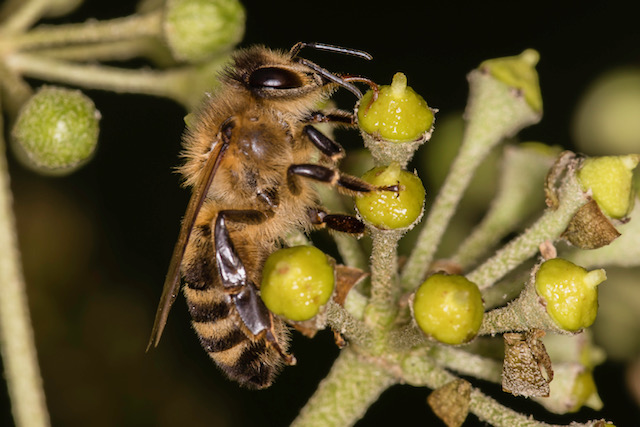
A free-living honey bee project.
9:30-10.00 Coffee- registration
10:00 -Norman Carreck – “What’s new in the world of honey bee conservation?”
10:30 – Dr Ollie Visick – “Free-living honey bees: colony density, survival and potential limiting factors”
11:00 Coffee
11:15 Dr Ollie Visick- “Citizen science, how to get involved with University of Plymouth free-
living honey bees research.”
12:00- Lunch- choice of pasties.
12:45- Norman Carreck – “Biosecurity: Lessons from the Isles of Scilly”
13:15 – Filipe Salbany, Matt Somerville. “Lessons from Blenheim Palace and ancient woodlands.”
Coffee 13:45
14:00-15:00 Current B4 work, free living bees, biosecurity and biodiversity. A round table discussion about how the community can get involved with observing and assisting with research into free-living honey bees.
Zoom version:11 April: B4 Symposium
Join Zoom Meeting 10:00 -13:45
https://us06web.zoom.us/j/84596359525?pwd=TVpKpU5KkkCYe7PcTarJQROYHnnS50.1
Meeting ID: 845 9635 9525
Passcode: 822710
What Delegates Should Expect
Delegates should expect a dynamic and highly focused morning delving into the cutting-edge science of free-living honey bees. The symposium bridges the gap between academic research and public action. You will hear from leading experts like Norman Carreck and Dr Ollie Visick on the latest global threats to bees, the unique genetic importance of wild colonies, and the practical limitations they face in finding nest sites. The session will then shift from theory to practice, showcasing the groundbreaking citizen science project from the University of Plymouth, which invites the public to actively participate in locating and monitoring these free-living populations. The afternoon will feature real-world case studies in conservation and biosecurity from the Isles of Scilly and Blenheim Palace, culminating in an open roundtable discussion to brainstorm how the community can directly support ongoing research.
Key Takeaway
The major takeaway is to send everyone away with a clear idea of how they are going to spread the word about the University of Plymouth’s free-living honey bee research within their own communities and networks. Wild honey bee colonies still occur across South West England!
University of Plymouth are mapping these colonies and collecting samples to reveal their genetic origin.
Dr Ollie Visick is encouraging people to report free-living colonies on the Honey Bee Watch mapping platform.
https://app.honeybeewatch.com/
Delegates can also report nest locations directly to Dr Ollie Visick via oliver.visick@plymouth.ac.uk or the Facebook page
https://www.facebook.com/profile.php?id=61582743947629
The Symposium on Saturday 11th April is preceded by half a day outdoors at Newton Farm, Metherell as follows:-
Friday 10th April – Newton Farm – Farm tour.
contact Andrew Brown andrew@aglbrown.co.uk for further details and an invitation.
14:00 – 16:00
The farm tour will cover wildflower meadow creation, a hedge laying demonstration, wetland creation, orchard creation and conservation grazing.
https://www.facebook.com/share/p/1Dv9i4wNAq/
16:00 -18:00
Filipe Salbany (Blenheim Palace) and Matthew Somerville (Bee Kind Hives) will demonstrate the installation of a log hive and a rocket hive.
This demonstration might help with the question: “are free-living honey bees limited by nest sites and what can we do to mimic ancient woodlands and their veteran trees?”
https://www.youtube.com/watch?v=1h6K_cS0m_w
Key Takeaways
Guests should expect to observe a multitude of actions designed to increase biodiversity and contribute to nature recovery.